What Reading's planning register tells us
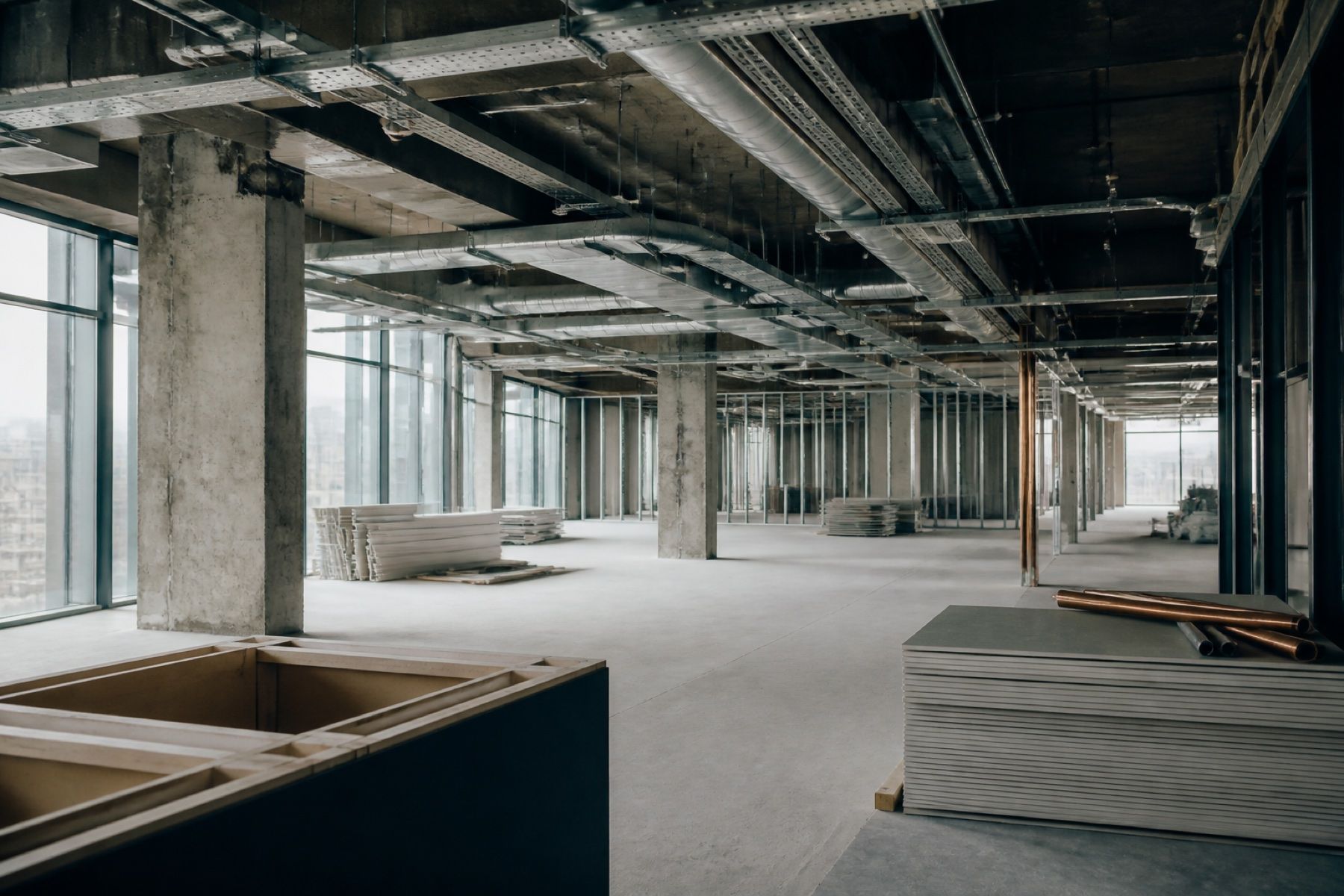
In the twelve months covered by the latest register snapshot, Reading Borough Council logged 137 commercial applications, 102 change-of-use applications and 34 commercial-to-residential applications. Many of the recent filings are small: a single office suite becoming one or two flats, a third floor above a town centre block converted to a pair of two-bed units, or a former commercial building in a suburban parade reworked as six apartments.
A good share of these go through prior approval under Class MA rather than a full planning application. That matters for funding, because a lender can see a defined route to residential use before the loan completes. Our Class MA guide covers the conditions, including the two-year Class E use requirement.
Funding an office floor before the flats exist
The typical Reading request is a buyer who has found a vacant or part-let office building, often close to the station or on a main road into the centre, and needs to complete before prior approval or full consent is in hand. A bridge can:
- buy the building on its current commercial value, with a lender taking a view on the conversion plan;
- fund the works in stages once consent is granted, through office to residential bridging finance;
- cover a light refurbishment of an older office so it can be relet before a longer-term commercial mortgage.
Terms usually run 6 to 18 months, and first-charge LTV on standard commercial security commonly reaches 70% to 75% of value. Lenders lend less where planning is uncertain or the building needs heavy work.
How lenders look at Reading security
Reading sits on the M4 and the Great Western Main Line, with the Elizabeth line also serving the station, and has a deep pool of office occupiers across the Thames Valley. Lenders generally see that as supportive of resale and relet value, but they still underwrite each building on its own merits: floor plate, parking, condition and how much of it is let.
The Land Registry snapshot for Reading, to 30 June 2026, shows a median price of £340,000 across all property types, from 2,391 sales in the year, with prices down 2.9% year on year. A valuer pricing the finished flats will weigh that softer residential backdrop, so we build realistic end values into the case from the start.
Exits that work for Reading conversions
Most conversion bridges here end one of two ways. Either the flats are sold individually, or the owner keeps them and refinances onto a buy-to-let or portfolio mortgage once they are complete and let. Commercial holds that stay commercial usually refinance onto a term commercial mortgage once a tenant is in place. Our exit strategy guide sets out what lenders want to see for each route.
If you or a close family member will live in the property, even in one flat, the loan may be a regulated mortgage contract. We introduce those cases to a firm directly authorised by the Financial Conduct Authority. We are not directly authorised by the Financial Conduct Authority ourselves.
For local residential and investment bridging, see our sister site bridgingloanreading.co.uk.