Commercial property, bridged with the exit in view.
Short-term finance secured on offices, shops, industrial units, mixed-use buildings and land. We arrange commercial bridging loans to buy at auction, refurbish or convert, and release capital, from a wide panel of specialist lenders.
An initial conversation. No charge and no obligation to proceed.Commercial and investment bridging is unregulated and arranged directly. Any case that includes a home you or your family live in is introduced to an FCA-authorised firm.
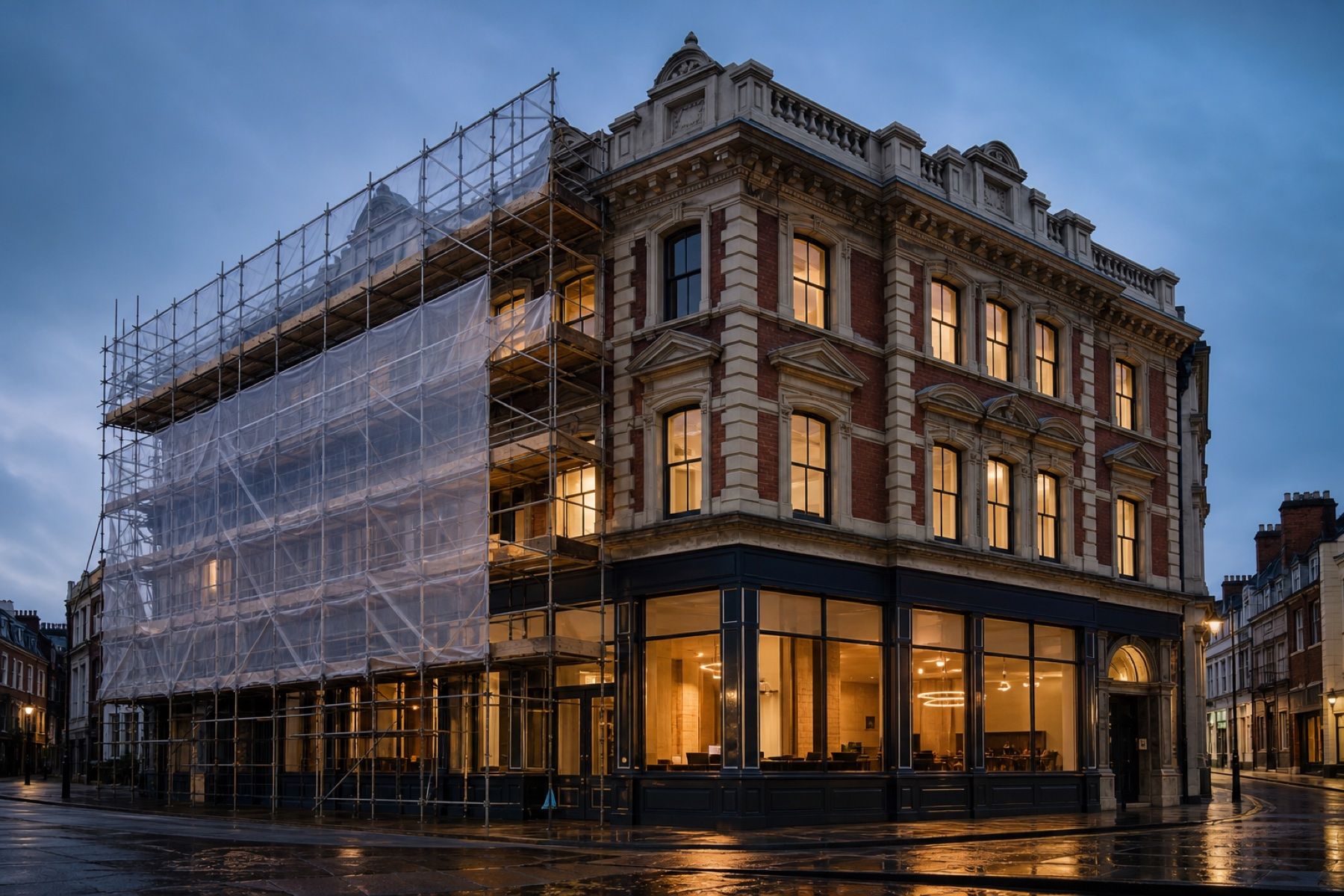
Six jobs a bridge does better than a mortgage.

Auction purchases
Commercial lots usually complete 28 days after the hammer falls. Bridging is built for that deadline, where a commercial mortgage rarely is.
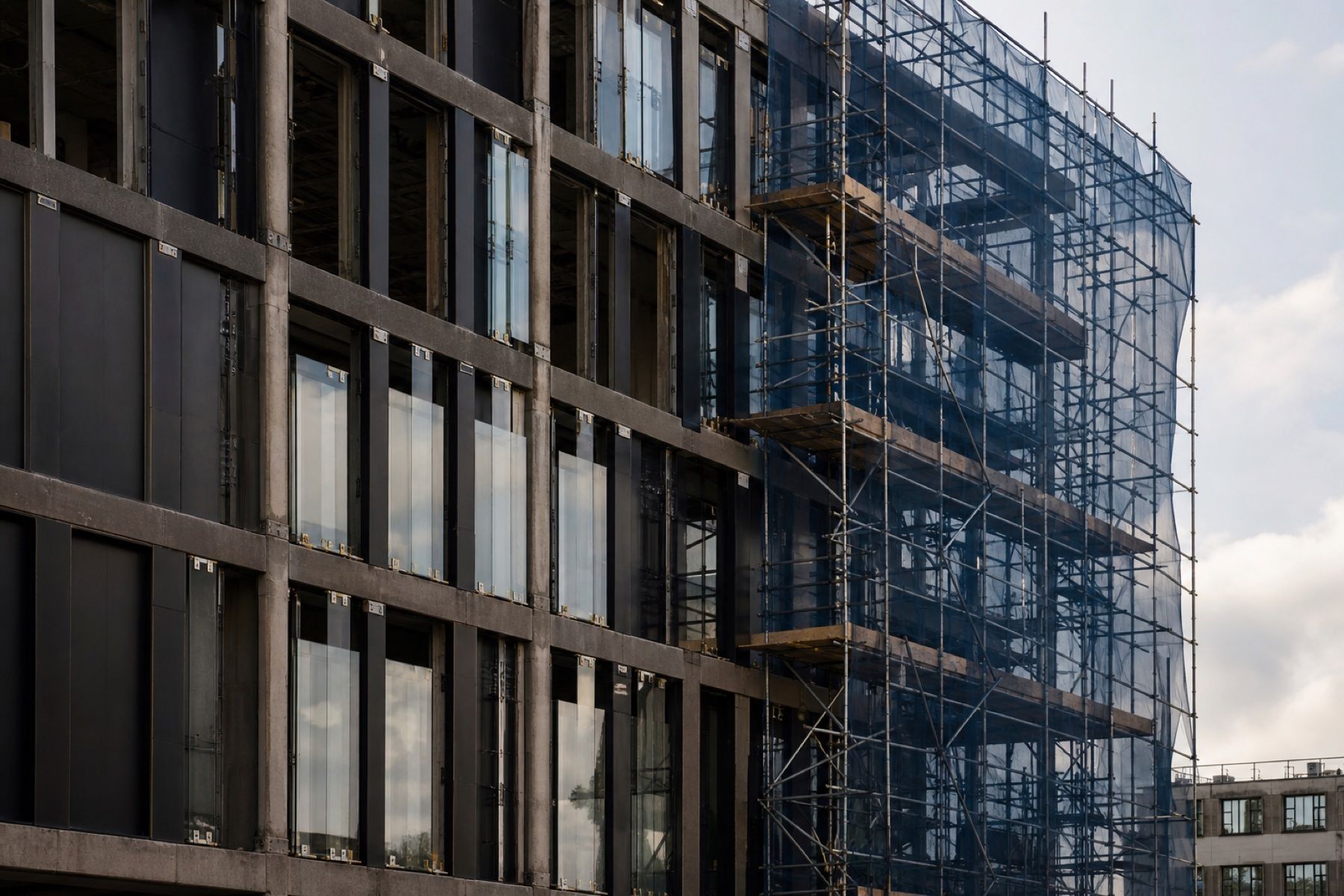
Conversions and change of use
Office to residential under Class MA, shops with flats above, or a vacant unit repositioned: fund the purchase and the works, then refinance or sell.
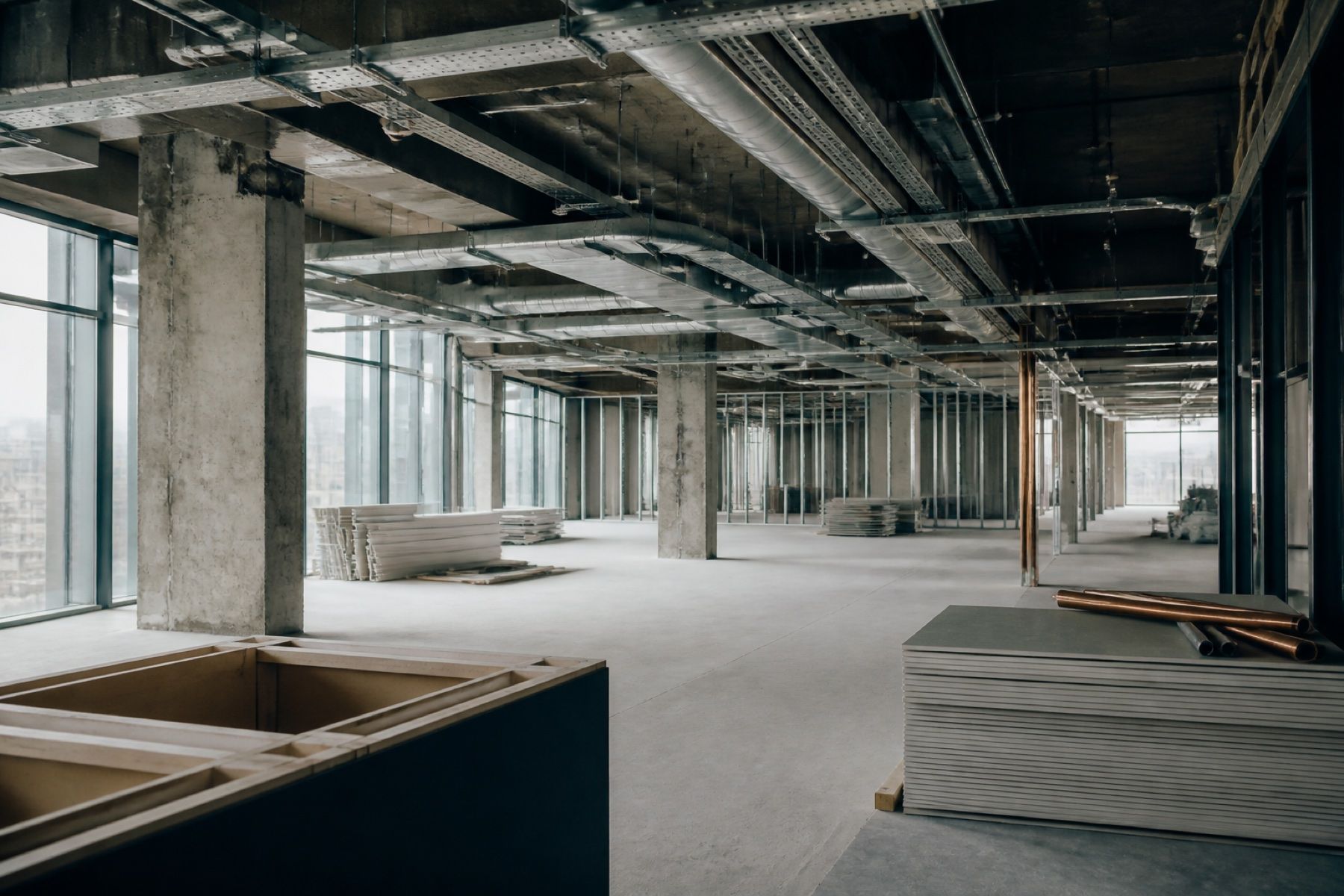
Refurbishment
Light or heavy refurbishment on a building that is not yet mortgageable. Works funding can be released in stages against a monitoring surveyor's sign-off.
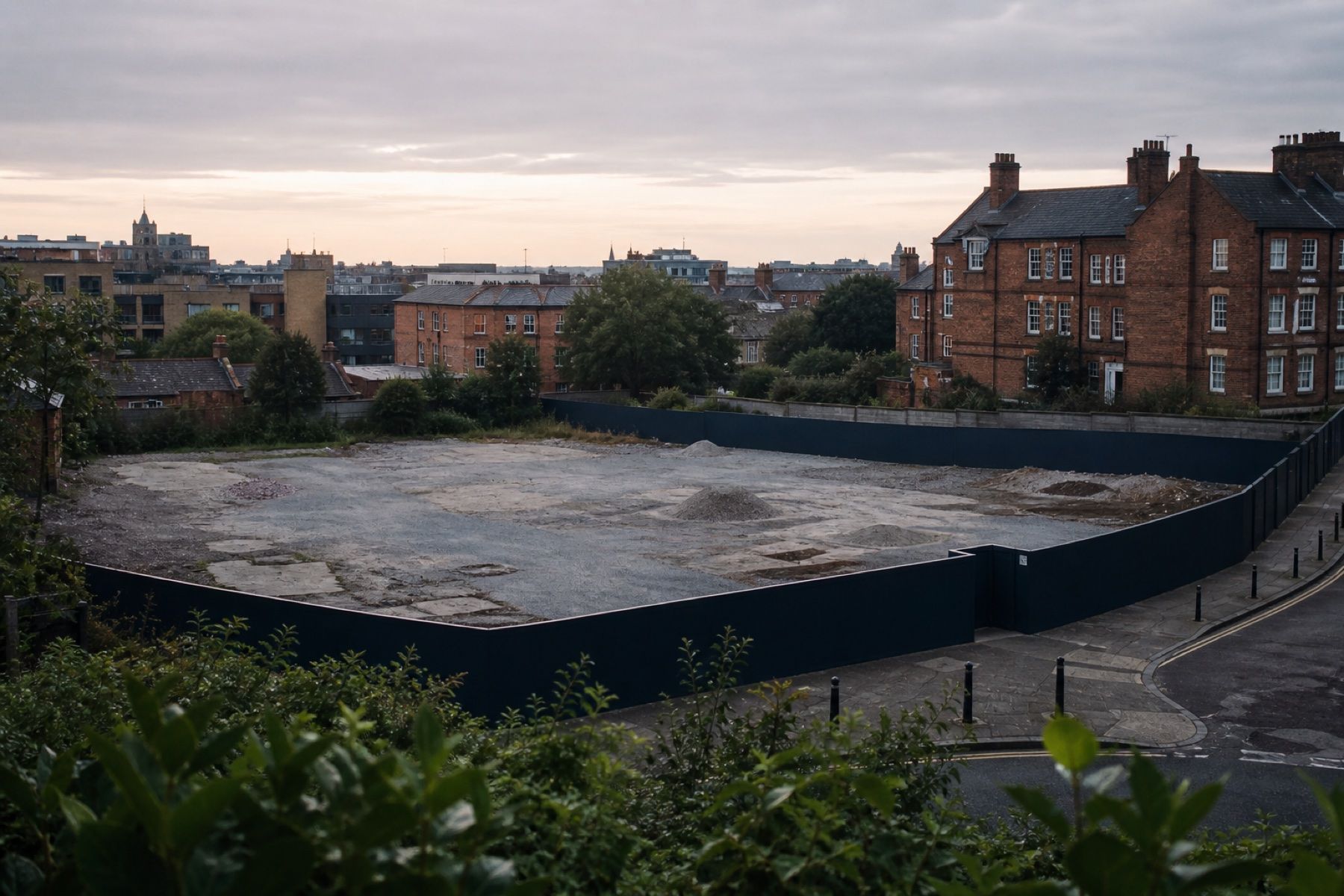
Speed and opportunity
Below market value purchases, receivership and administration sales, or a seller who needs certainty this month rather than next quarter.
Capital raising
Release equity from commercial property you already own to fund another purchase, a tax bill, a VAT payment or business cash flow.

Bridge to let
Buy, stabilise and let a vacant or under-let building, then refinance onto a commercial investment mortgage once the income is in place.
Every bridge needs an exit. We start there.
A bridge is only as good as the way it is repaid. Before a case goes to any lender we test the sale or refinance it relies on, size the loan against value and choose how the interest is paid.
- Plain-English terms
- Every cost shown up front
- Regulated cases routed correctly
- 01
Tell us the deal
The property, the price or value, what you plan to do with it, and how the loan will be repaid. A short form or a quick email is enough to start.
- 02
We test the exit and structure
We check the exit is credible, size the loan against value, and choose retained, rolled or serviced interest and the right charge position.
- 03
Lenders compete for the case
We take a prepared case to bridging lenders whose appetite fits the asset, then put indicative terms side by side so you can choose.
- 04
Valuation, legals, completion
We chase the valuer and both sets of solicitors so funds land in time for exchange, auction completion or the start of works.
An office bought at auction. How we'd structure it.
One building, one bridge, one exit. The numbers are round and illustrative, to show how a commercial bridge fits together from the day of the sale to the day it is repaid.
- Before the auction
Terms in principle
We review the legal pack, agree indicative terms against the £800,000 guide and line up a valuer, so the lender can instruct the day after the sale.
- Auction day
Hammer falls at £800,000
Contracts exchange on the fall of the hammer and a 10% deposit of £80,000 is paid. The 28-day clock starts.
- Days 1 to 20
Valuation and legals in parallel
The valuer inspects while both solicitors work through title, leases and the lender's conditions at the same time.
- Day 28
Completion on a £560,000 bridge
A gross loan at 70% of value. Fees and interest are retained, so there is nothing to pay monthly while the building is improved.
- Months 2 to 8
Refurbish and let the floors
Vacant floors are refreshed and let. Signed leases and rental income are what a term lender needs to see.
- Month 10
The exit
A commercial investment mortgage repays the bridge in one sum, ahead of the 12-month term. The building now has income and a long-term lender.
- Your equity
- Deposit plus purchase costs. On a £800,000 purchase at 70% LTV, about £240,000 before costs.
- Net advance
- The cash the lender releases on completion, after fees and any retained interest.
- Fees and retained interest
- Added to the gross loan of £560,000, not paid monthly. Repaid at exit.
- The exit
- A sale or a refinance repays the gross loan in one sum, typically within 6 to 18 months.
Illustrative example to show structure only. Not a completed transaction, a quote or an indication of rates. How pricing works.
Short-term money. A long-term view.
Where a commercial mortgage is underwritten on income and accounts, a bridge is underwritten on the building and the strength of the exit. That is why it funds the deals a mortgage cannot: an auction, a vacant building, a conversion or capital you need this month.
What is a commercial bridging loan?Not every building fits one box.
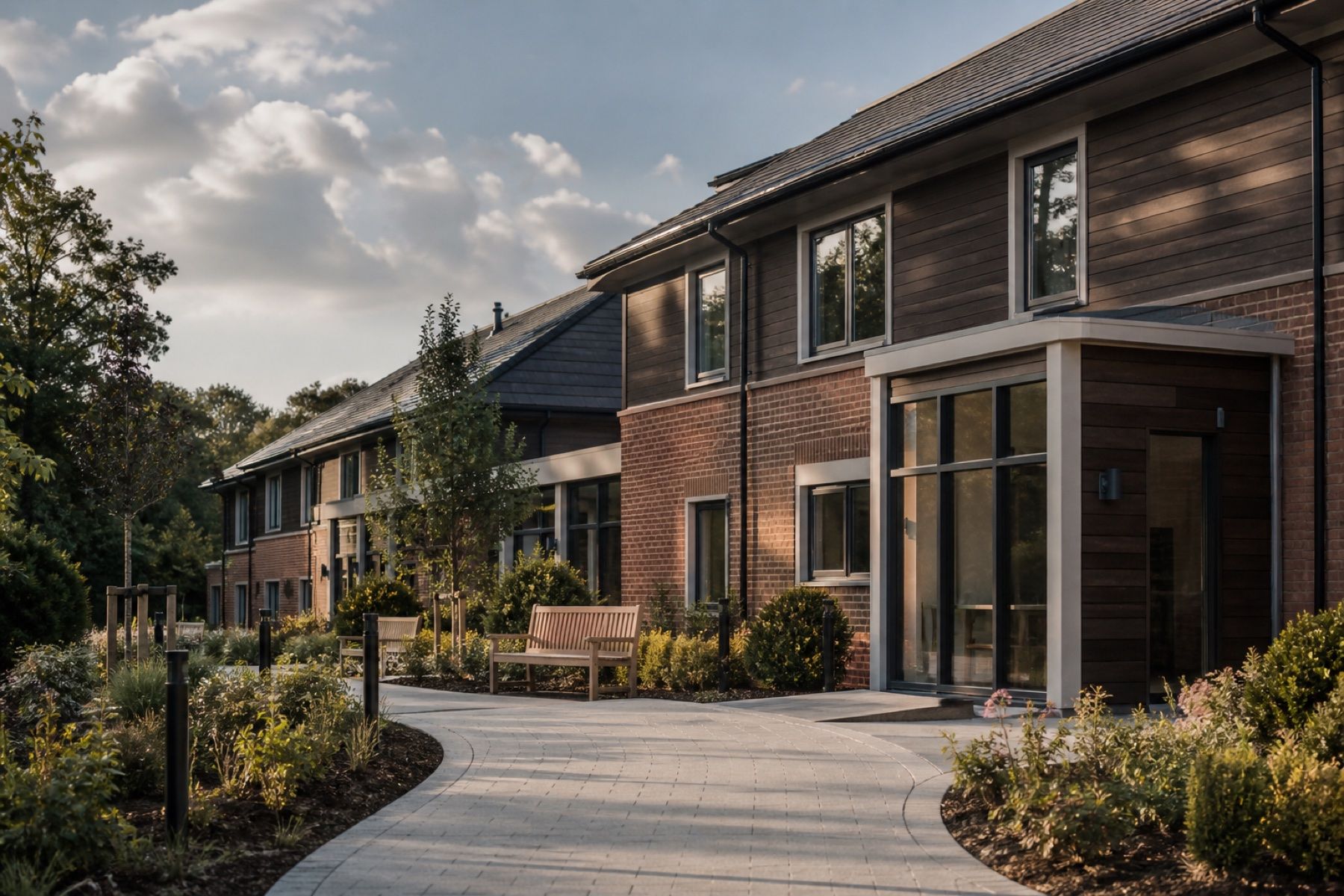
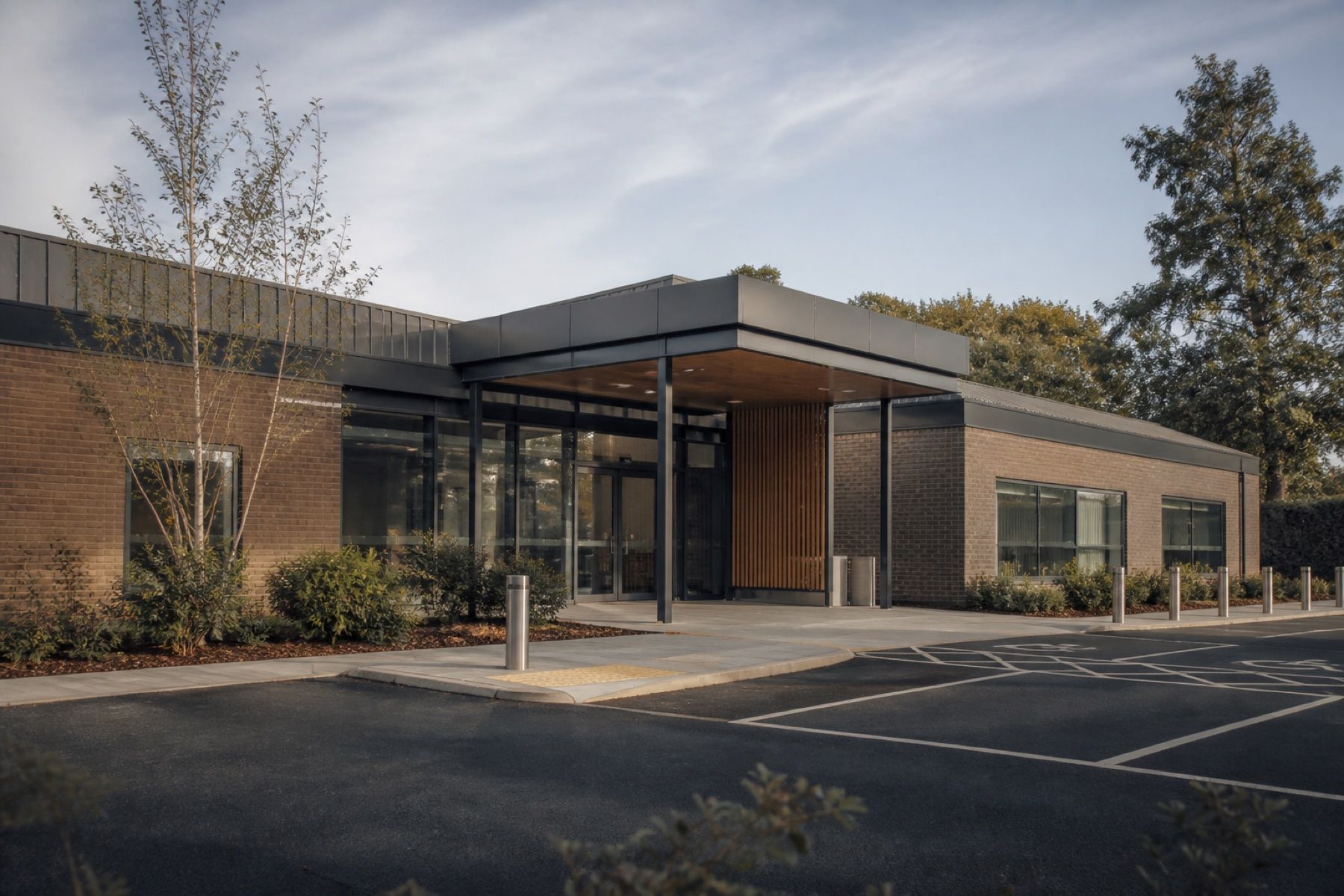
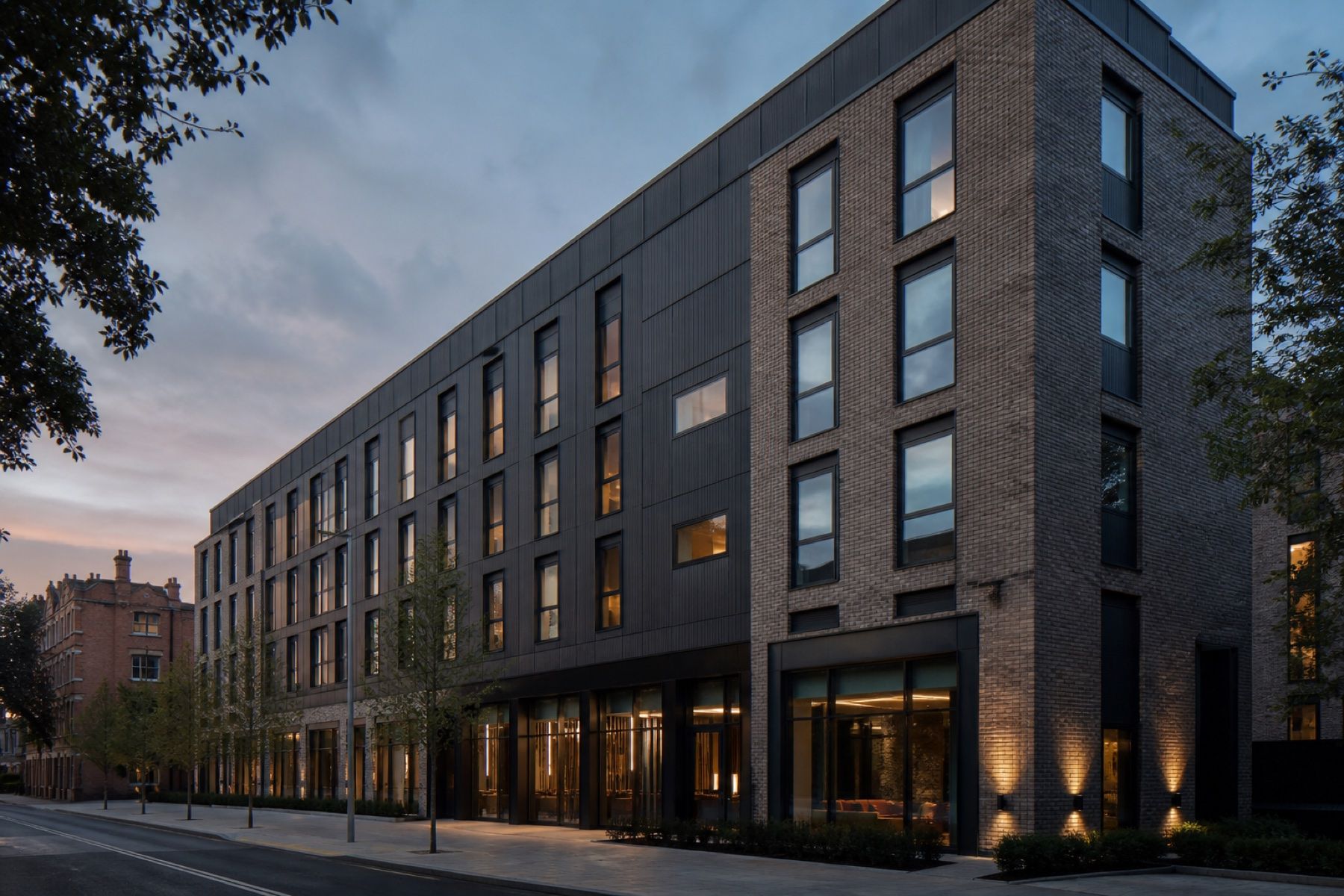
Lenders price a commercial bridge around the building: how it would sell, whether it is let, its condition and its planning.




I have spent 25 years in financial services, raising debt and equity for property and businesses. Every commercial bridge still comes through me personally: the structure, the exit, the lender conversations, the valuation, the legals and the drawdown. Clients are not handed off. They get straight answers.
Local evidence. A broader perspective.
We read council planning registers to see where commercial space is changing hands and changing use, because that is where bridging starts.
Make your next move an informed one.
Let's make things simpler.
A few things worth understanding before you get started.
Ask about your situationWhat is a commercial property bridging loan?
A commercial property bridging loan is short-term finance, usually 1 to 24 months, secured on commercial or semi-commercial property. It lets you buy, refurbish or raise capital quickly, and is repaid by a planned exit such as a sale or a refinance onto a commercial mortgage.
How much can I borrow on a commercial bridging loan?
Many commercial bridging lenders lend up to 70% to 75% of the property's value on a first charge, less on land, specialist buildings or second charges. Additional security, such as a charge over another property, can increase the amount. The loan is sized against value, not income.
How quickly can a commercial bridging loan complete?
A straightforward case with a prepared borrower, a prompt valuation and responsive solicitors can complete in two to four weeks. A 28-day auction deadline can be met where the valuation and legal work start straight away. Complex titles, tenanted buildings or specialist assets take longer, which is why we start the valuation and legal work early.
Are commercial bridging loans regulated by the FCA?
Bridging secured on commercial or investment property for business purposes is unregulated. If the property includes a home that you or an immediate family member lives in or will live in, such as a flat above a shop you occupy, the loan may be a regulated mortgage contract (broadly, where at least 40% of the property is used as a dwelling). We introduce any case like that to a firm directly authorised by the Financial Conduct Authority.
What exit strategies do lenders accept?
The most common exits are a sale of the property, a refinance onto a commercial mortgage or investment loan, or the sale of units after a conversion. Lenders want evidence: a realistic valuation, comparable sales or lettings, and a refinance that the finished asset will qualify for.
What are the downsides of a commercial bridging loan?
Bridging costs more per month than a commercial mortgage, carries arrangement and legal fees, and depends on the exit happening on time. If it slips you may face extension fees or default interest. Used for the right deal over a defined period, those costs are usually outweighed by speed and flexibility.
Tell us about the property and the loan you need. We come back with indicative terms and tell you plainly if any part of it is regulated.