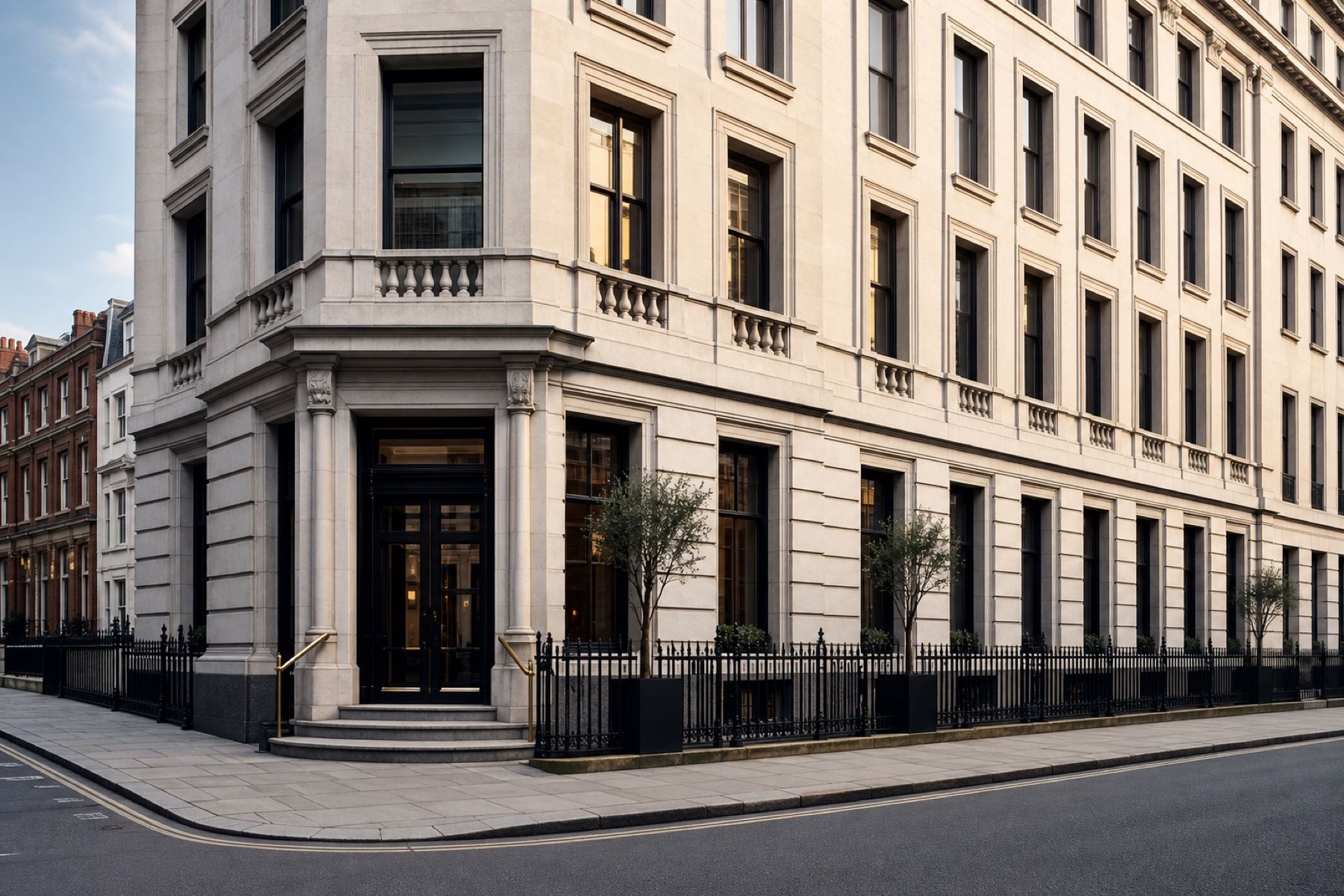
One building, one home: York's conversion pattern
City of York Council's register recorded 335 commercial applications, 187 change-of-use applications and 19 commercial-to-residential proposals in the 12 months from 7 October 2025.
The recent examples are strikingly consistent: office space becoming one dwelling, a retrospective conversion of office and ancillary space into two homes, listed building consent for an office-to-house scheme, a mixed residential and office building becoming a single house, and two Class E to dwellinghouse proposals under permitted development.
This is a city of townhouses that were once homes, became offices, and are now going back. For lenders, the end value of a period house in York is usually well evidenced, which helps a sale exit.
The occupancy question matters more in York
When the end product is a single house, the first thing to settle is who will live in it. If you are converting to sell or let, a bridge secured on the building is business lending that we arrange directly. If you, or an immediate family member, plan to live in the finished house, the loan is a regulated mortgage contract, and we introduce you to a firm directly authorised by the Financial Conduct Authority.
Mixed residential and office buildings where the owner lives in the residential part may be regulated too, and we route them the same way. Our guide to regulated and unregulated bridging explains the split.
Prices, volumes and listed buildings
HM Land Registry data to 30 June 2026 gives York a median price of £300,000 across all property types, from 3,124 transactions in 12 months, with no change on the year.
York's walled centre has many listed buildings and conservation areas. Permitted development under Class MA does not apply to listed buildings and is restricted in some protected areas, so many York schemes need full planning consent and listed building consent. That affects timing: build the consent period into your bridge term. See our Class MA guide for the general rules and confirm the detail with a planning consultant.
Structuring a York bridge
- Purchase before consent: lenders value the building as offices until consent is granted
- Retrospective cases: lenders discount unconsented work until it is regularised
- Works funding: light refurbishment is often self-funded; heavier works on listed fabric can be staged
- Exit: usually sale of the house, sometimes refinance onto a buy-to-let mortgage
To understand how interest is handled across the term, read about retained and rolled-up interest.