Small premises becoming homes
Cheltenham Borough Council's current register export contains 143 commercial applications, 90 change-of-use applications and 21 commercial-to-residential proposals.
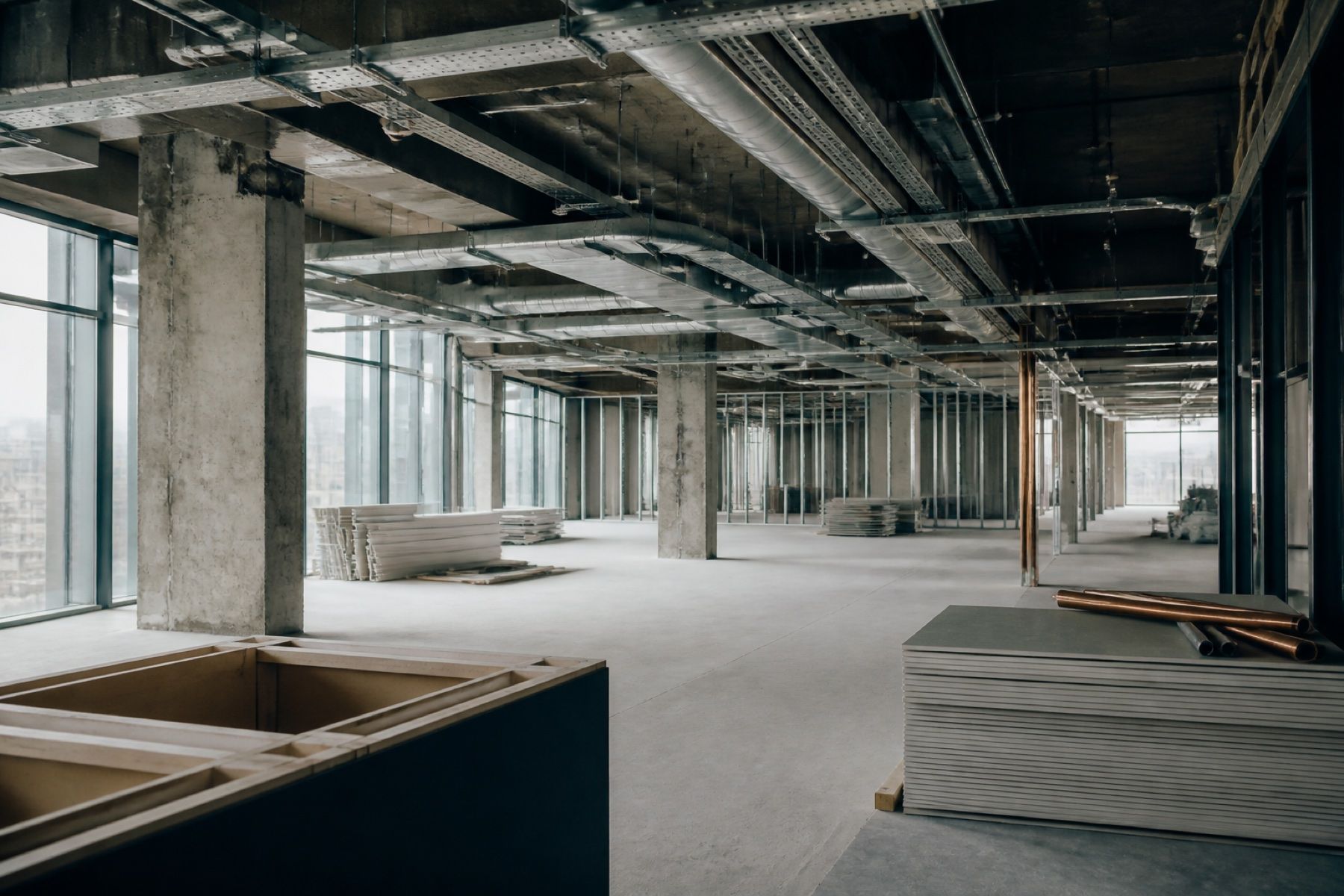
Recent examples include the first floor of a hair salon becoming a dwelling, a café becoming a house, offices converted to residential with remodelling of a rear extension (with a matching listed building consent application), and a retrospective conversion of commercial space into a one-bedroom home. Movement is not all one way: one recent proposal takes a commercial office into educational use.
Regency buildings, listing and the route to consent
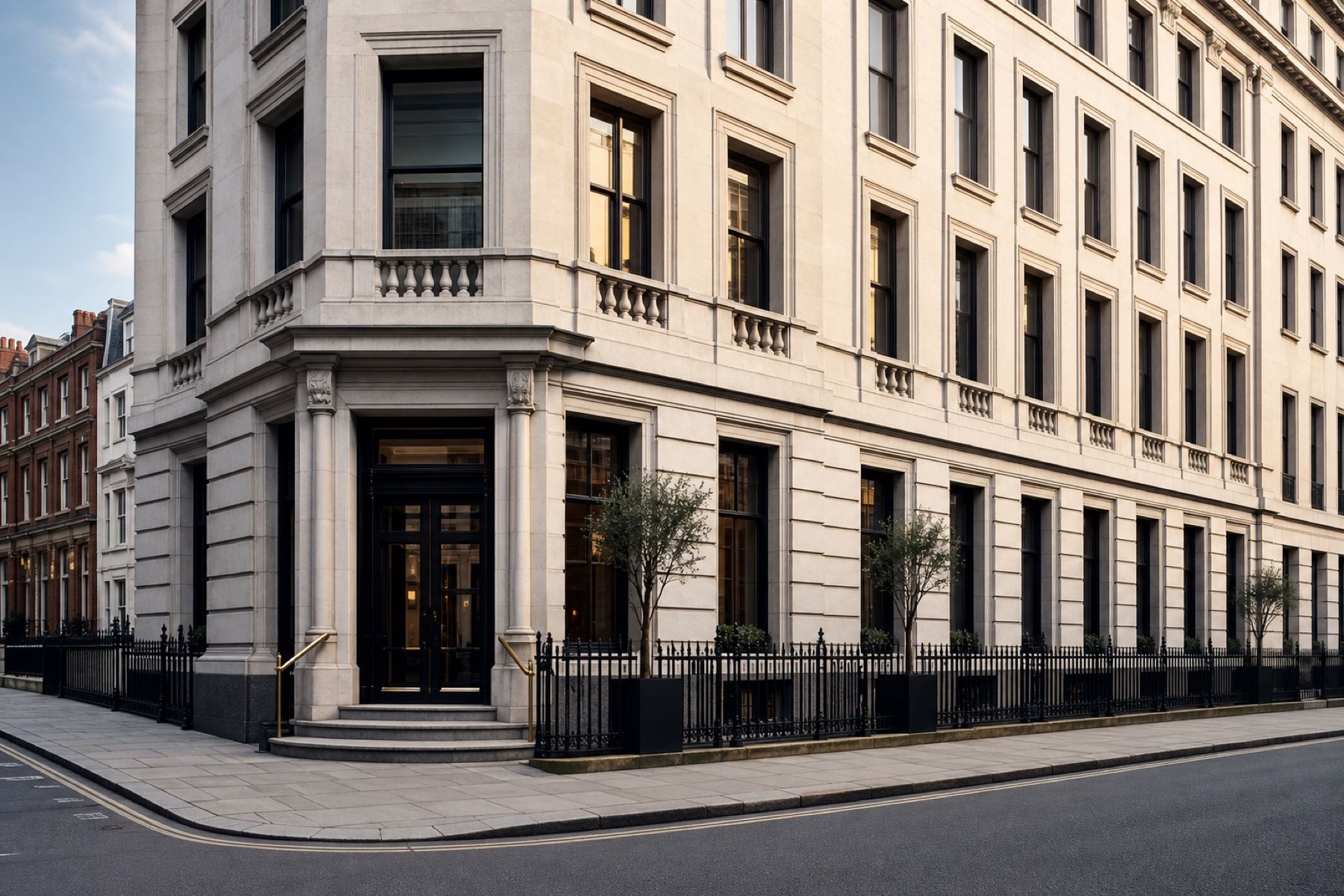
Many of Cheltenham's period buildings are listed. Class MA permitted development does not apply to listed buildings and is restricted in some protected areas, so conversions often need full planning permission and listed building consent rather than prior approval. That adds time and cost, and lenders will look for both in your plan.
Our guide to Class MA permitted development sets out the general rules. A planning consultant can confirm whether a specific building qualifies.
Lenders also look at the condition of period fabric. Roofs, stonework, sash windows and internal features can all affect the cost of works, so a survey before you buy helps you set a realistic budget and term.
Is the finished home for you or for sale?
Because so many Cheltenham conversions produce a single dwelling, this question shapes the whole loan. If you are converting to sell or let, a bridge on the commercial building is business lending, and we arrange it directly. If you, or an immediate family member, will live in the finished home, the loan is a regulated mortgage contract and we introduce you to a firm directly authorised by the Financial Conduct Authority.
See regulated versus unregulated bridging for more on the distinction.
Market data, valuations and exits
HM Land Registry data to 30 June 2026 shows a median price of £325,000 across all property types in Cheltenham, from 2,312 transactions over 12 months, with a 2.2% rise on the year. That supports a sale exit on a converted townhouse, though the valuer will rely on comparable period homes, not on a town-wide median.
Typical exits:
- sale of the converted house or flats
- refinance onto a buy-to-let mortgage once let
- for buildings that stay commercial, refinance onto a commercial mortgage
Test the cost of carrying the loan through consent and works on our bridging cost calculator.